
In a previous article, we mentioned that 84% of website conversions occur on the first visit. And during this first visit, the average site visitor is only going to stay on your website for about 10 seconds.
That means that’s all the time you have to make a good impression, convince your visitors to stay on your site, and to (hopefully) convert that site visit into a lead.
Ó dà bí pé ó ń fi ìfúnpá sí i nígbà tí o bá ronú nípa rẹ̀.
But not to worry- landing pages help you do just that. More specifically though, well-crafted landing pages help you to do just that.
So what are they?
In the simplest terms, a landing page is any page that gets traffic from anywhere other than the usual pages on your site (like your Homepage, FAQ, or Contact Us page).
The difference between these “usual pages” though, is that landing pages reel in your audience using content that creates a sense of urgency – like call-to-action buttons and promo pages, for example – and they do it all in one page with a specific goal set in mind: They make your audience take action.
And if all goes as expected, you get to convert your audience and site visitors into leads. This is called lead generation.
Àwọn landing page jẹ́ apá pàtàkì nínú ojú-òpó wẹ́ẹ̀bù èyíkéyìí, pàápàá jùlọ nígbà tí o bá ń gbìyànjú láti kọ́ àwùjọ àwọn olùgbọ́, àti láti fa àwọn oníbàárà tí ó ṣeé ṣe kí wọ́n ra nǹkan wá. Wọ́n tún jẹ́ kókó pàtàkì nínú mímú owó wọlé pẹ̀lú.
What do they look like and when do I start making one?
Èyí ni àpẹẹrẹ ti landing page tó dára látọ̀dọ̀ Unbounce, èyí tí a fẹ́ràn gan-an:
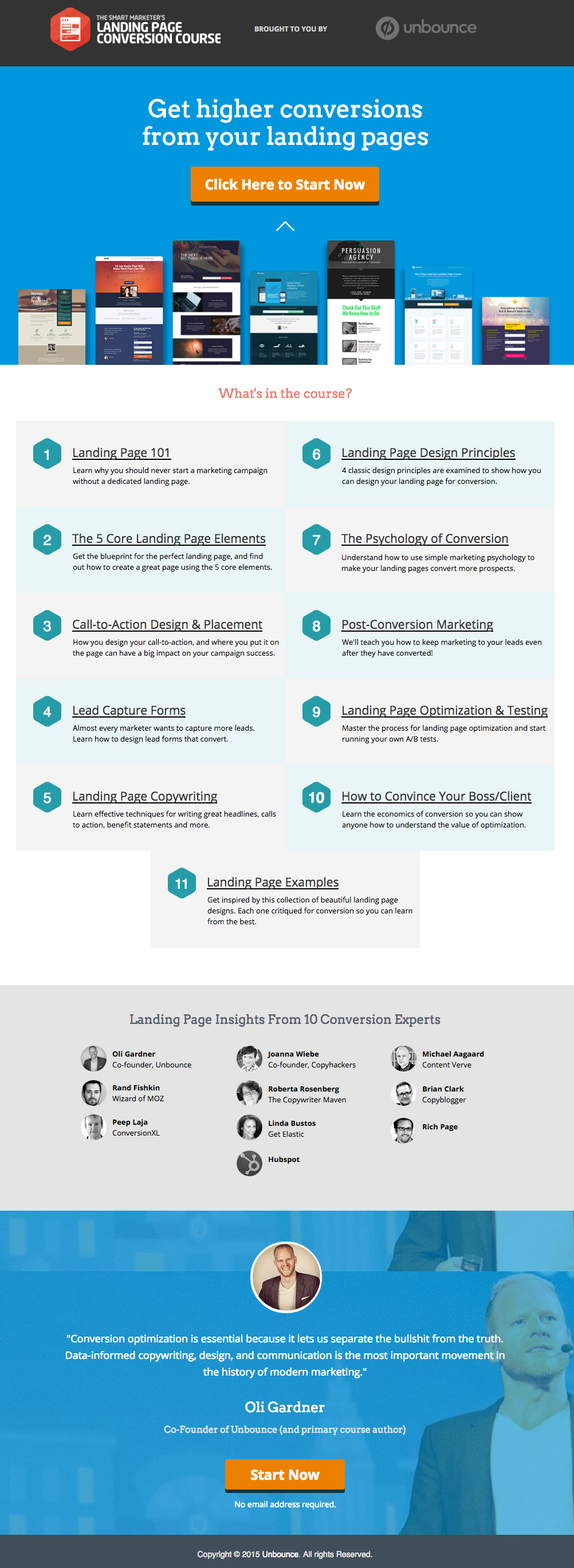
This has all of the right elements you need to execute the perfect landing page: it’s got just the right amount of text (which is really helpful for boosting SEO), and it’s packaged in a way that it’s not too heavy or intimidating for site visitors.
The imagery is great as well, and the placement of the two call-to-action (or CTA) buttons give the visitors just enough cues to sign up for their service. Not too little, but not too much either.
(Ìmọ̀ràn: landing page ti Unbounce dà bí èyí tí ó lẹ́wà gan-an – bóyá ó tilẹ̀ lè ba ènìyàn lẹ́rù díẹ̀ tí o bá ń gbìyànjú láti ṣe irú àṣà kan náà lórí landing page tìrẹ – ṣùgbọ́n o lè ṣẹ̀dá ojú-ewé tí ó jọra tí ó sì lẹ́wà bẹ́ẹ̀ gẹ́gẹ́ nípa lílo PBS).
MAKE YOUR OWN LANDING PAGE: If you’re new to design, First Site Guide’s Elements & Principles of Design Cheat Sheet proves to be friendly and reliable for beginners.
Take note though, that Unbounce’s example isn’t the only way you can create your landing page.
You can always go for a simpler, cleaner look, like Uber’s landing page below:
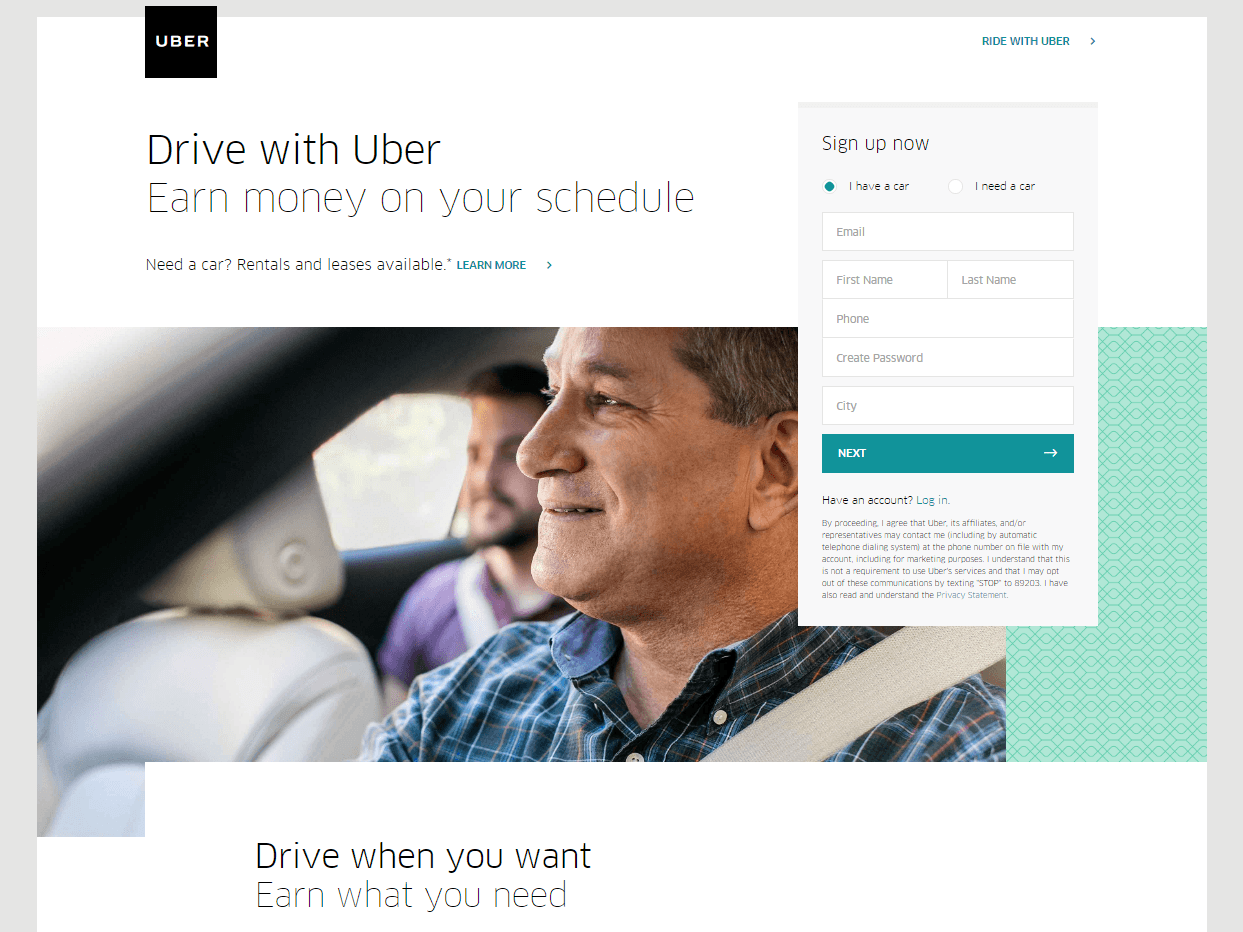 The text’s placement, along with the sign-up forms look crisp and clean. There’s also minimal distractions on this landing page, which prompts its visitors to sign up right away.
MAKE YOUR OWN LANDING PAGE: First Site Guide’s Psychology of Color Cheat Sheet is a huge helA, which can help you balance out the right kind of colors that create a minimal yet classy effect for your landing pages.
You can have more than one
This is a little tricky because you have to learn how to strike a balance, but if you think it’ll help generate more leads, you can actually build more than one landing page. Again, different landing pages cater to different needs.
Ẹ wo èyí (lára ọ̀pọ̀lọpọ̀) láti MailChimp fún àpẹẹrẹ, èyí tí ń rọ àwọn olùgbọ́ rẹ̀ láti forúkọ sílẹ̀ fún àwọn iṣẹ́ wọn lọ́fẹ̀ẹ́:
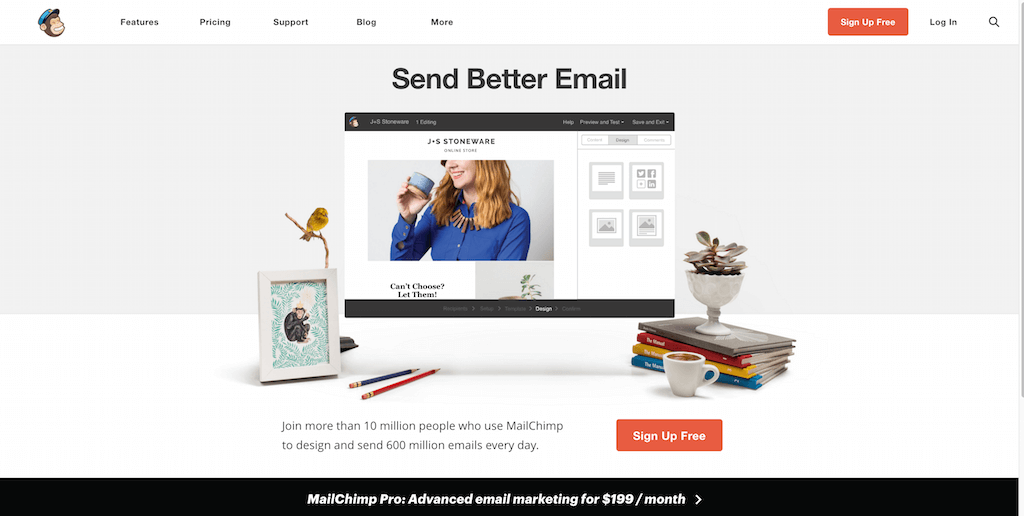 (It worked by the way, as we use MailChimp for our newsletter service, too).
Take note of the text – it’s straight to the point, and addresses the target’s audience needs in just three simple, albeit powerful words; enough to catch the visitor’s attention, and convert into a lead.
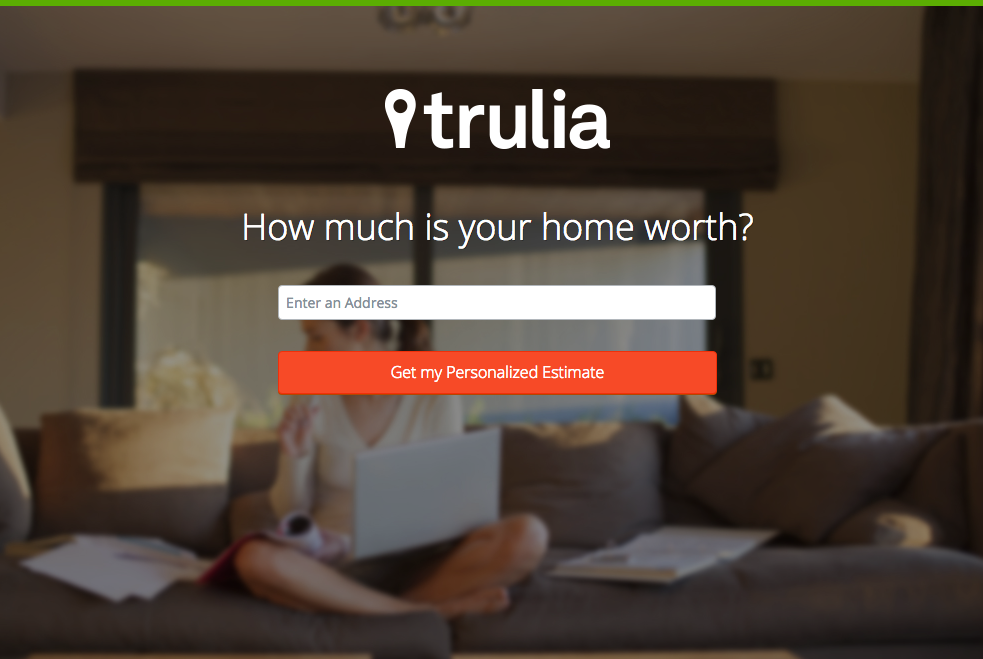 Here’s another from Truila, which helps its users get an estimate of how much their houses are worth.
 Unlike the previous examples, Truilia doesn’t offer a catch to their customers in this particular landing page. They simply offer to give the visitor a chance to test out their service.
Again, take note of the copy: no fluff, and it gets straight to the point.
Usually, landing pages like these direct you towards another, one that has more information about what the website is offering. This is also a great technique used to capture more leads.
MAKE YOUR OWN LANDING PAGE: Did you know that “Under Construction” pages count as landing pages, too? This blog post by First Site Guide teaches you how to make one.
More doesn’t always mean merrier
It’s important to remember that the problem isn’t the lack of landing pages per se – but the lack of well-created, successful landing pages.
Ojú-òpó wẹ́ẹ̀bù èyíkéyìí lè ṣe ọ̀pọ̀lọpọ̀ wọn, ṣùgbọ́n ìyẹn kò túmọ̀ sí pé yóò yí àwọn oníbàárà tí ó nífẹ̀ẹ́ padà sí oníbàárà gidi ní tààràtà.
Lẹ́ẹ̀kan sí i, ọ̀ràn ti àwọn landing page lágbára gan-an– nítorí náà tí o bá lè lówó láti fi kẹ́kọ̀ọ́ nípa ìmọ̀ àti ọnà tí ó wà lẹ́yìn rẹ̀, a gbani nímọ̀ràn gidigidi pé kí o ṣe bẹ́ẹ̀.
Here are some websites that’ll be really helpful in your journey to creating landing pages
Landing Folio
http://www.landingfolio.com/
 Landing Folio is an extensive gallery that’s really useful when it comes to getting inspiration for landing page designs. They also offer some kick-ass, friendly courses on how to perfect the art of creating landing pages. Plus, all the designs are pretty and fun to look at as well.
First Site Guide
First Site Guide jẹ́ ọ̀kan lára àwọn ojú-òpó wẹ́ẹ̀bù tí ó ní àwọn ohun àmúṣe jùlọ lórí intanẹ́ẹ̀tì, pàápàá jùlọ tí o bá jẹ́ tuntun sí wẹ́ẹ̀bù tí o sì fẹ́ ṣe ohun rere kan nínú rẹ̀. Wọ́n ní àwọn ohun àmúṣe láti àwọn àkójọ irinṣẹ́ tí ń ṣẹ̀dá àkóónú, àtúnyẹ̀wò àti àfiwé ọjà, àwọn àwòrán alálàyé (infographics), àwọn fídíò ìkẹ́kọ̀ọ́ tí ó rọrùn, àti bẹ́ẹ̀ bẹ́ẹ̀ lọ. Ó wúlò dájúdájú tí o bá ṣẹ̀ṣẹ̀ ń bẹ̀rẹ̀ sí ní ṣẹ̀dá landing page àkọ́kọ́ rẹ.

Conversion Lab
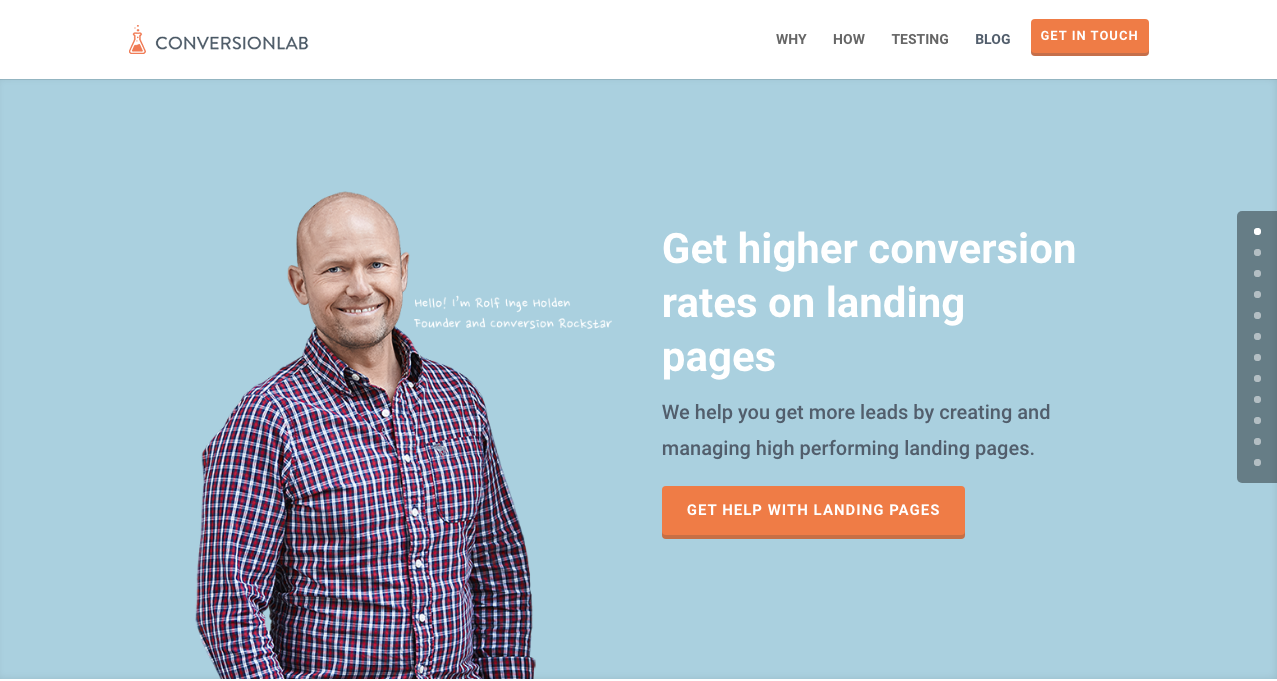 Apart from the fact that their own landing page is pretty well-crafted itself, Conversion Lab does exactly what they say they do: they help you get conversions. They also help out with testing too, which is crucial to any website that’s trying to raise their conversion rates.
Hubspot
https://blog.hubspot.com/marketing
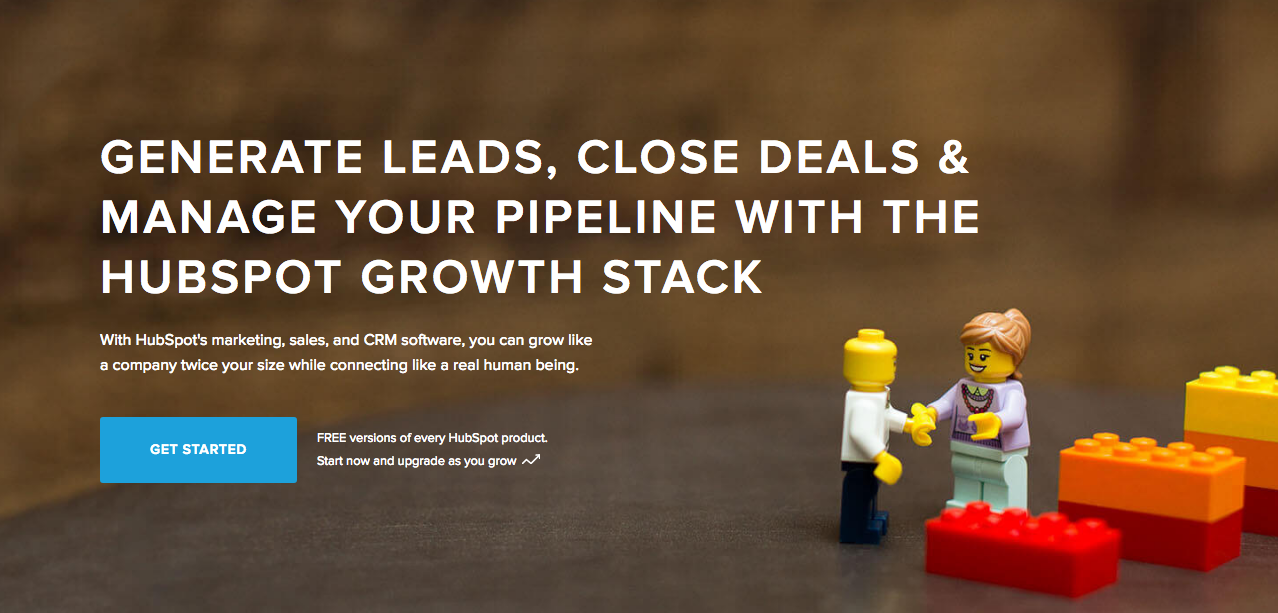
Hubspot is an all-around help site that lends you a hand in almost anything and everything related to online marketing.
Wọ́n ní àkójọpọ̀ oríṣiríṣi àwọn àpilẹ̀kọ tí ó bẹ̀rẹ̀ láti ṣíṣe àwọn ètò iṣẹ́ ajé, dé orí àkóónú àti ìpolówó inbound, àti dájúdájú- àwọn landing page. Ó jẹ́ orísun àmúṣe tó dára fún ẹnikẹ́ni tí ó ṣì jẹ́ tuntun sí ayé ìpolówó orí ayélujára.
Ìparí
Àwọn landing page lè lágbára gan-an, pàápàá jùlọ tí o bá ṣẹ̀ṣẹ̀ ń bẹ̀rẹ̀ nínú irú iṣẹ́ ajé èyíkéyìí.
Ṣùgbọ́n rántí pé ó yẹ fún àkókò rẹ láti fi kọ́ bí wọ́n ṣe ń ṣiṣẹ́ àti bí a ṣe ń ṣe wọ́n. Kí nìdí? Nítorí pé wọ́n ń mú àwọn oníbàárà tí ó nífẹ̀ẹ́ wá, àwọn oníbàárà tí ó nífẹ̀ẹ́ sì ń mú owó wọlé.
Take note that digital marketing trends are changing rapidly. You have to keep with these trends in order for your business to not only survive, but to also thrive.
Do you have any other tips or resources that you’d like to share with us? Comment below, or send us an email at [email protected] if you’d like to get featured as a resource in one of our articles.
Ẹ ku kíkọ́ ojú-ewé ayélujára!